Lampson Court, Killearn
Lampson Court, Killearn
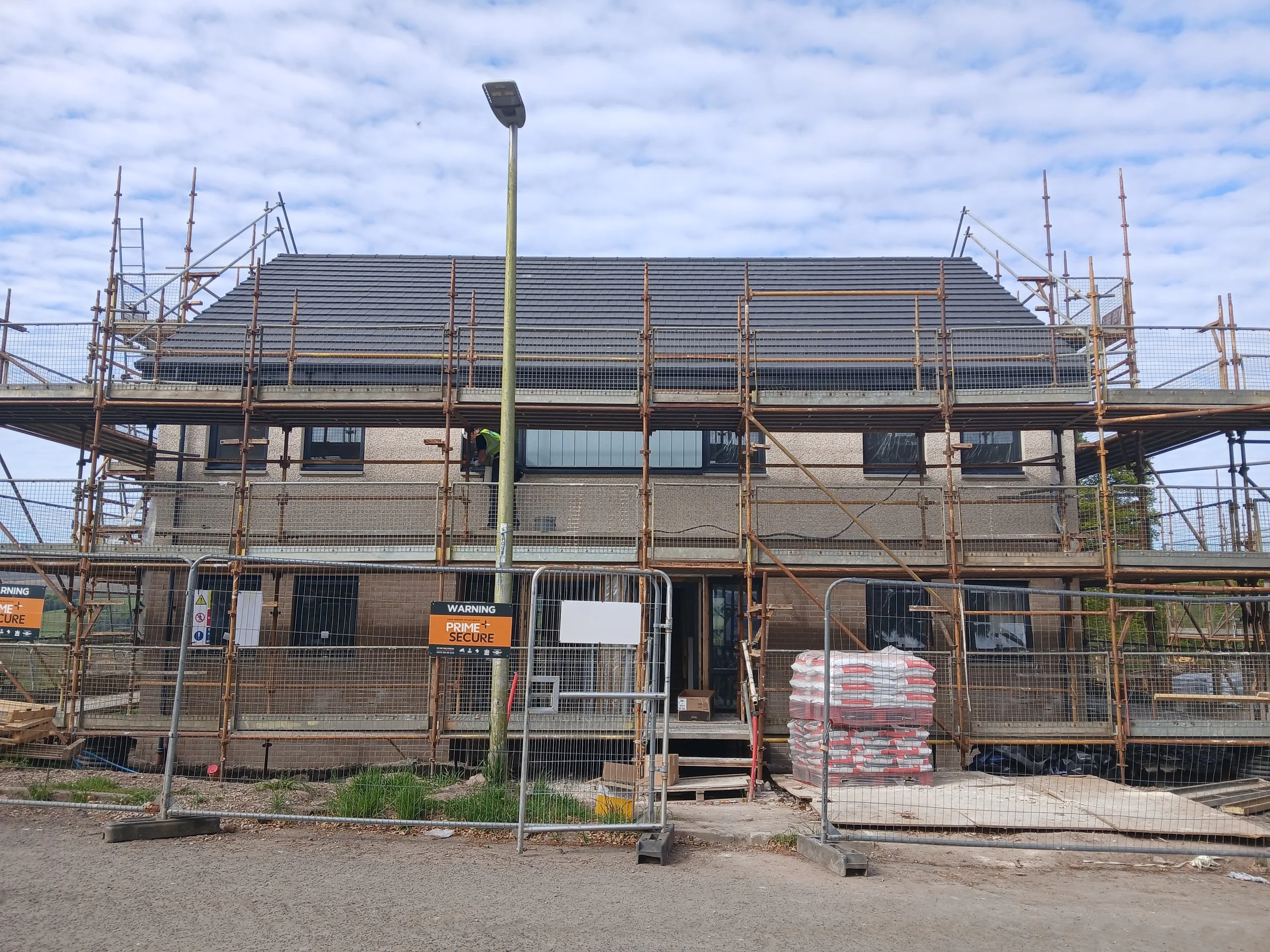
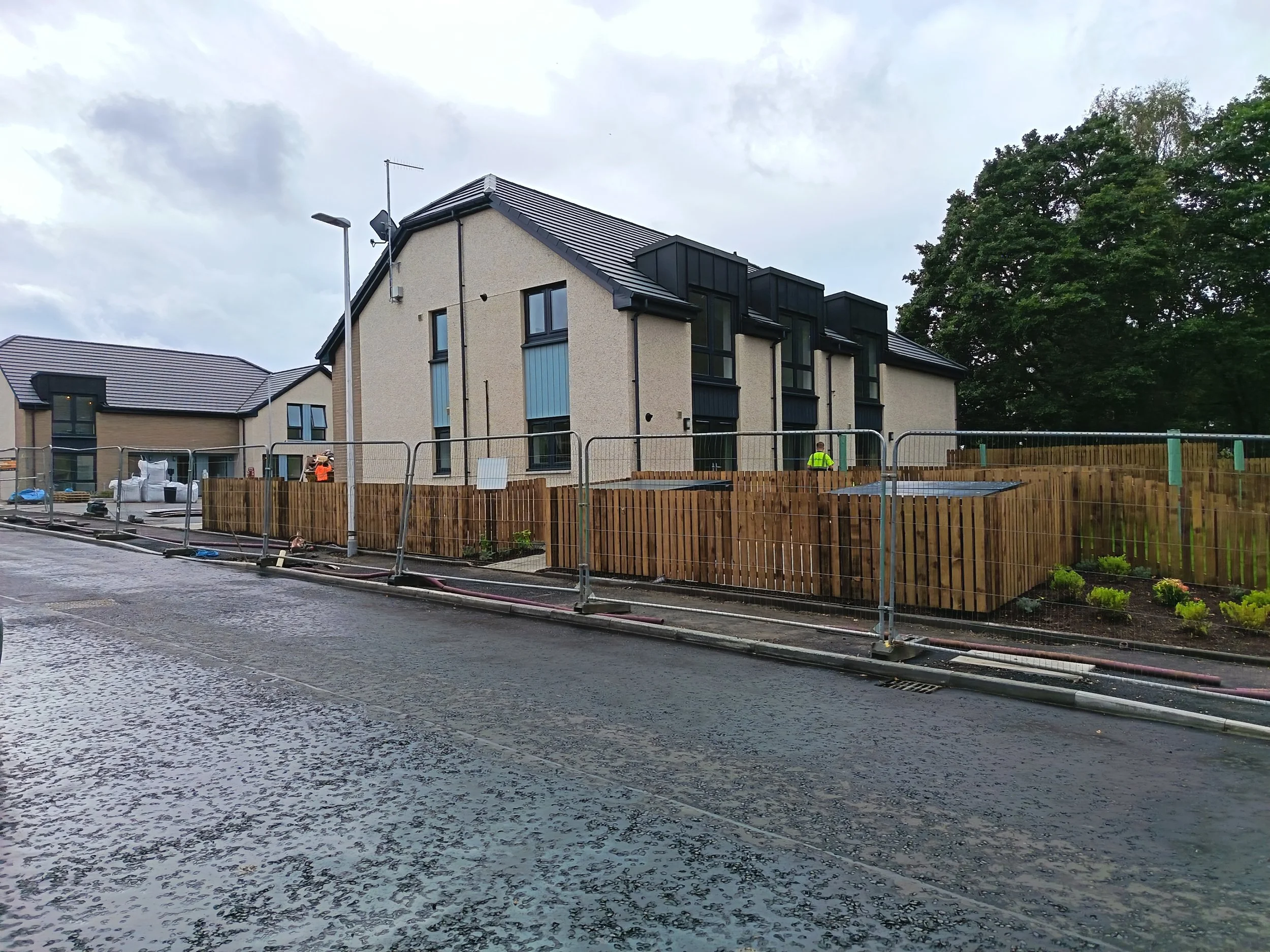
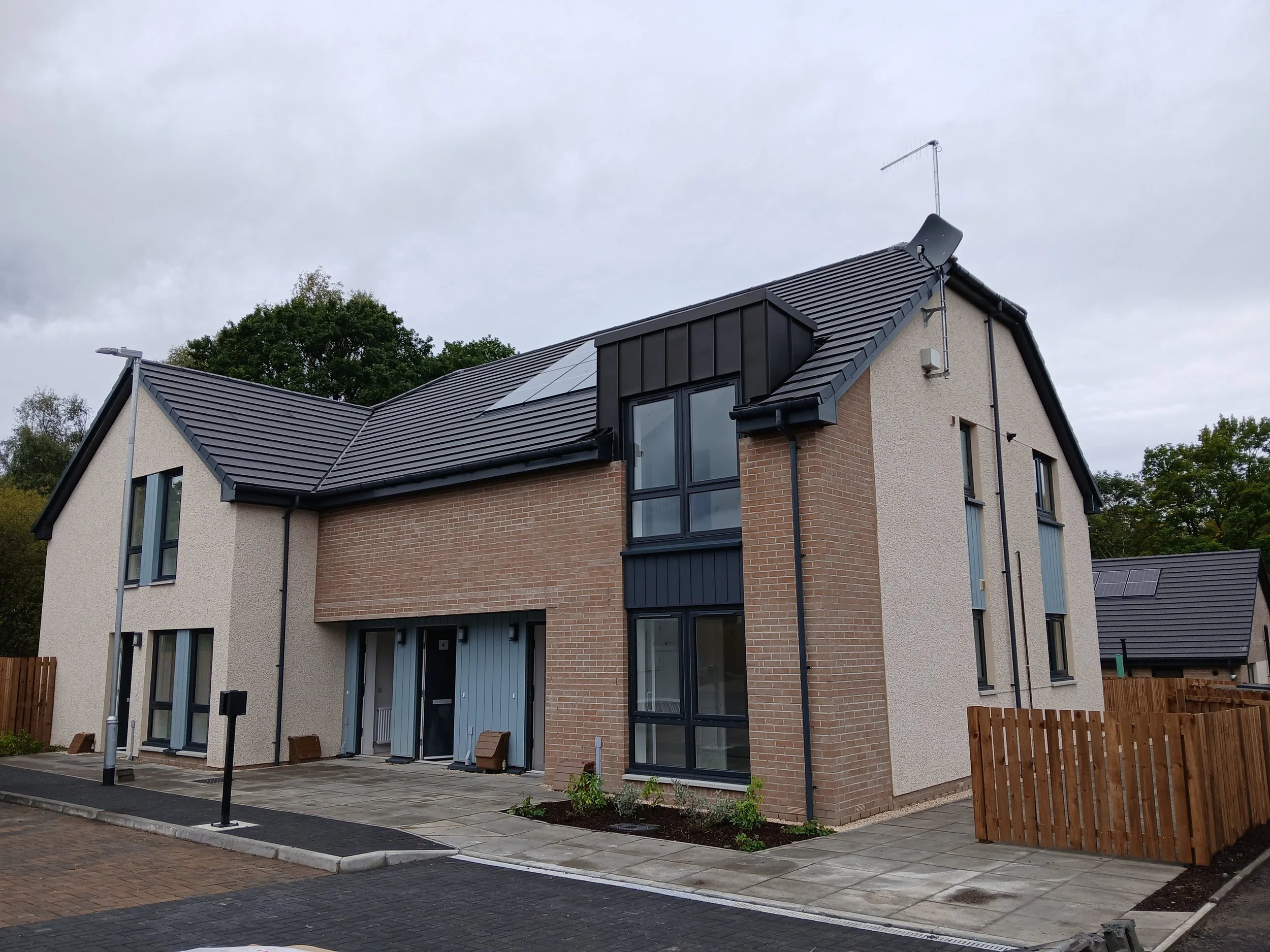
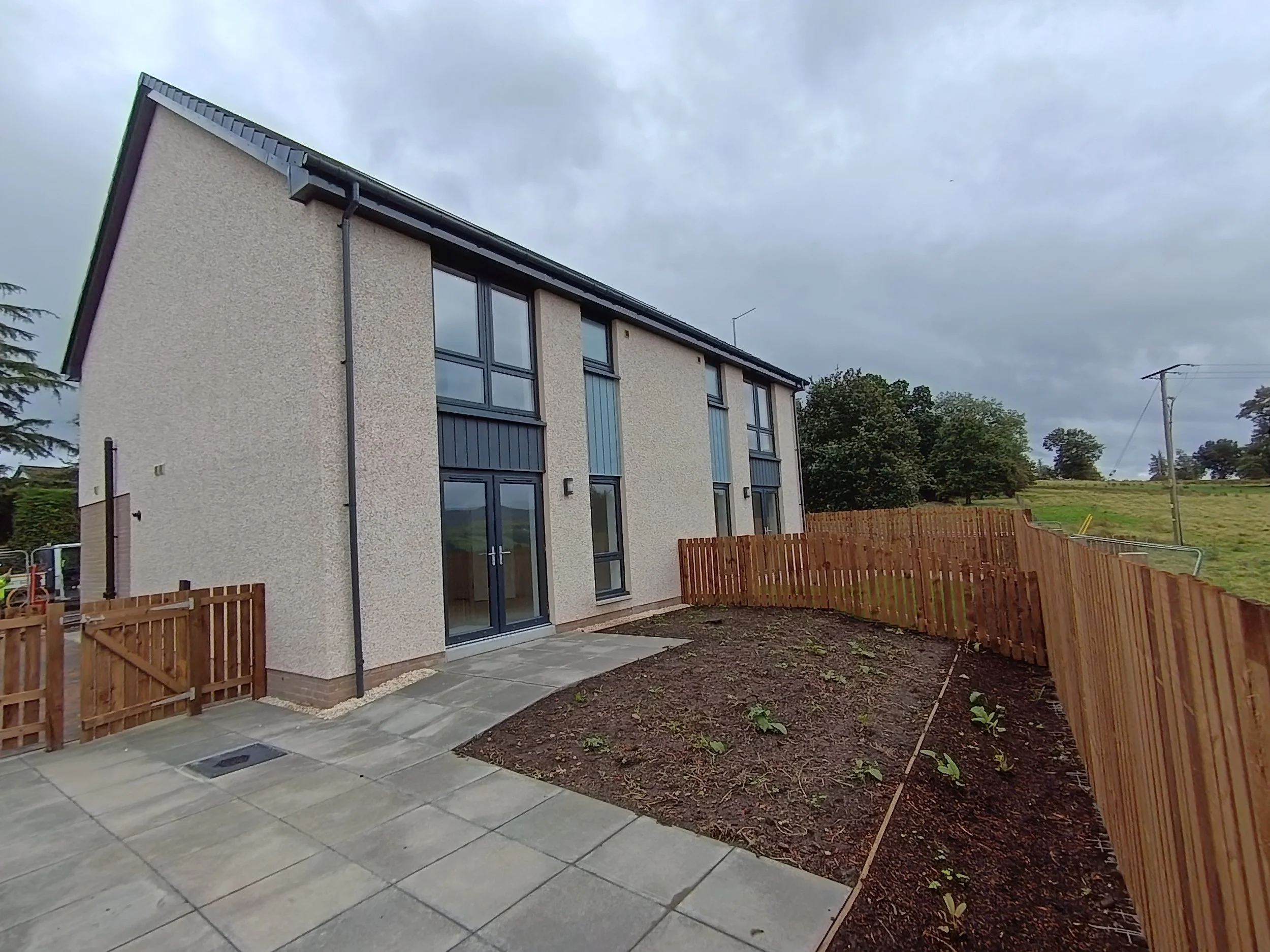
Lampson Court is an 11‑home mixed‑tenure development in the village of Killearn, designed by CMA Architects for Rural Stirling Housing Association (RSHA). Completed in 2025, the project provides a blend of social rent and shared‑equity homes, helping address the acute demand for affordable housing in rural Stirlingshire.
The development forms part of RSHA’s ongoing programme to expand high‑quality rural housing, following earlier completions in nearby Croftamie.
The site consists of eleven homes total, nine properties for social rent and two for shared equity, make this a mixed-tenure development. The completed site is valued at £2.83 million.
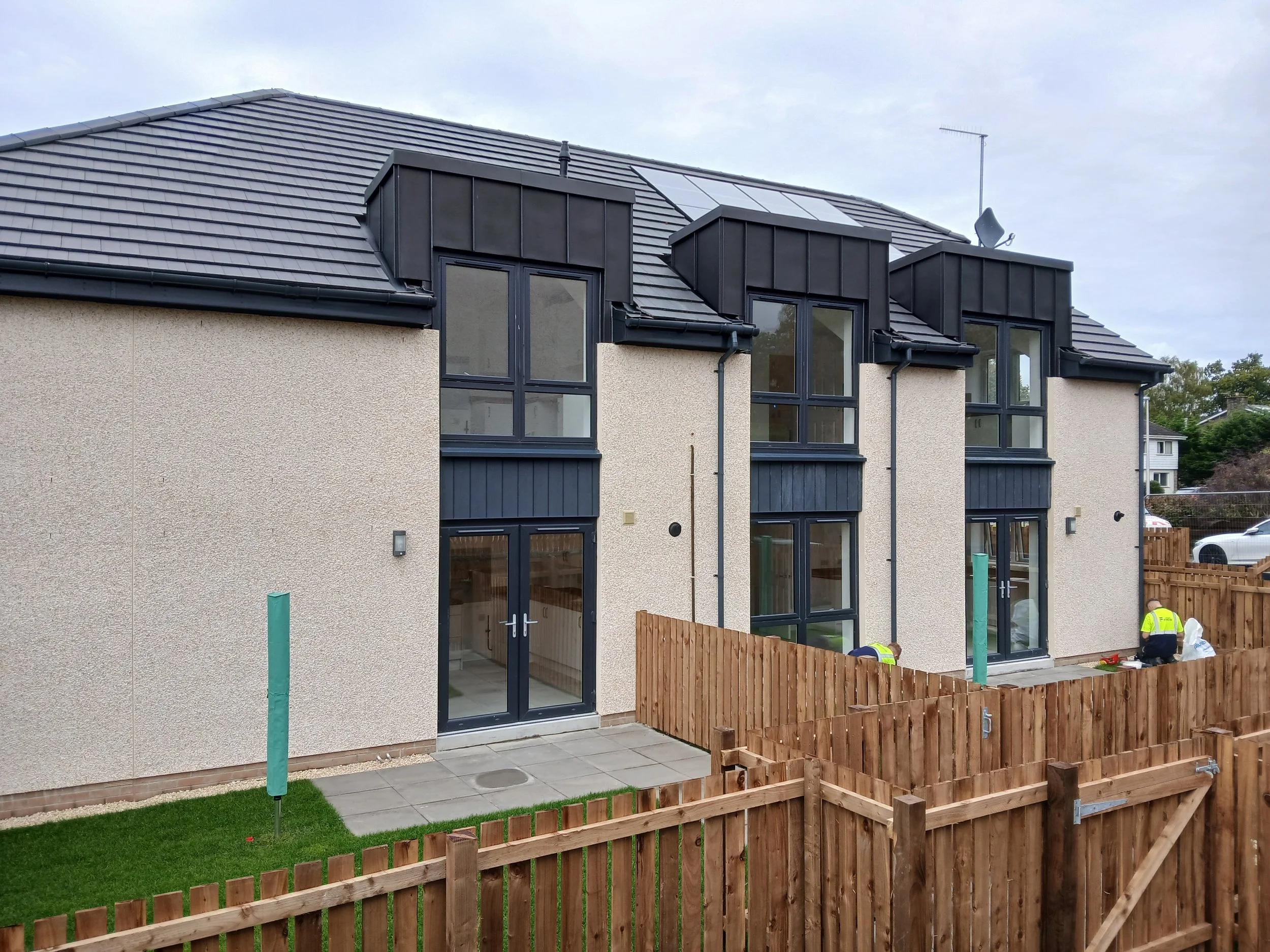
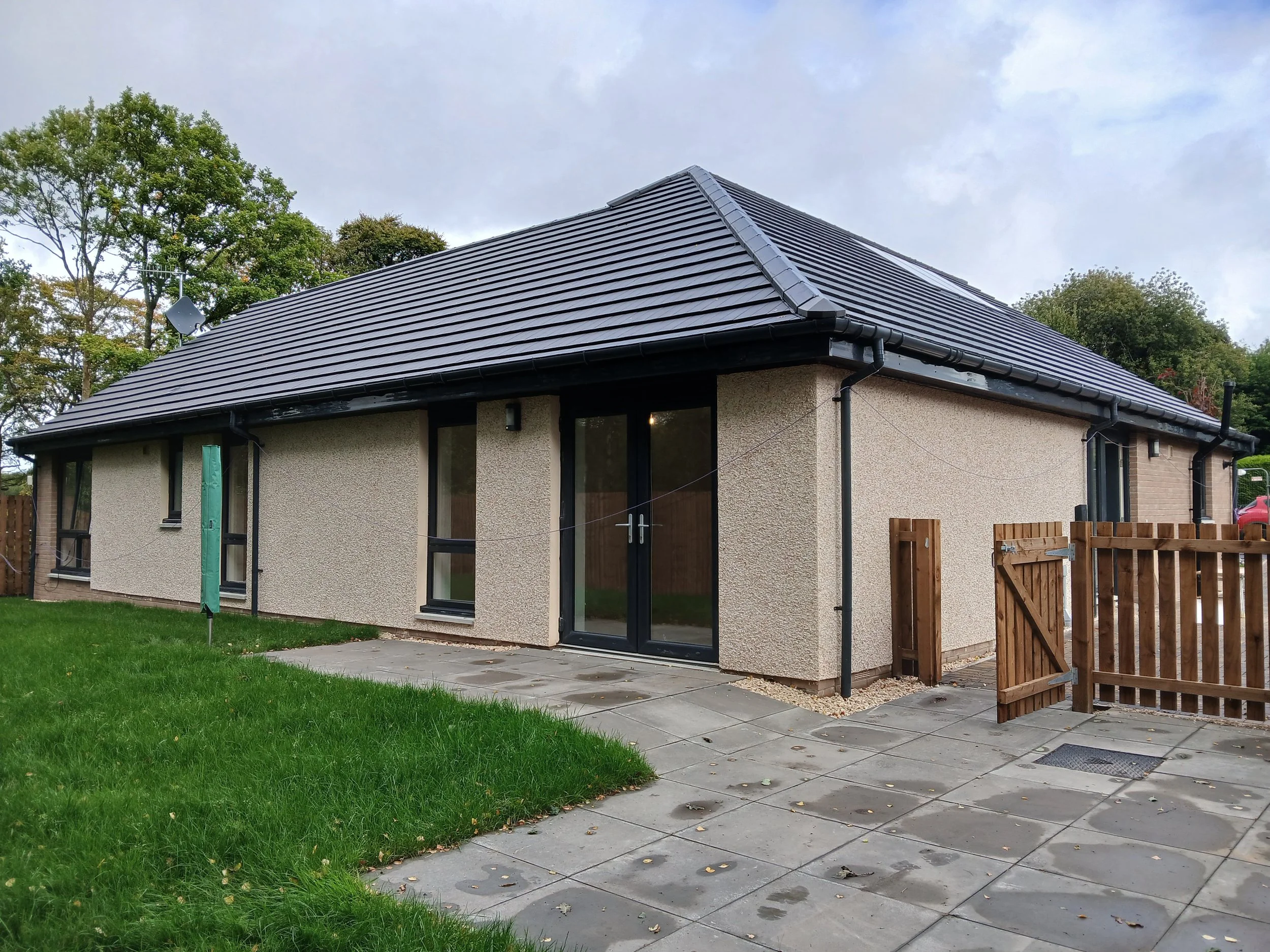
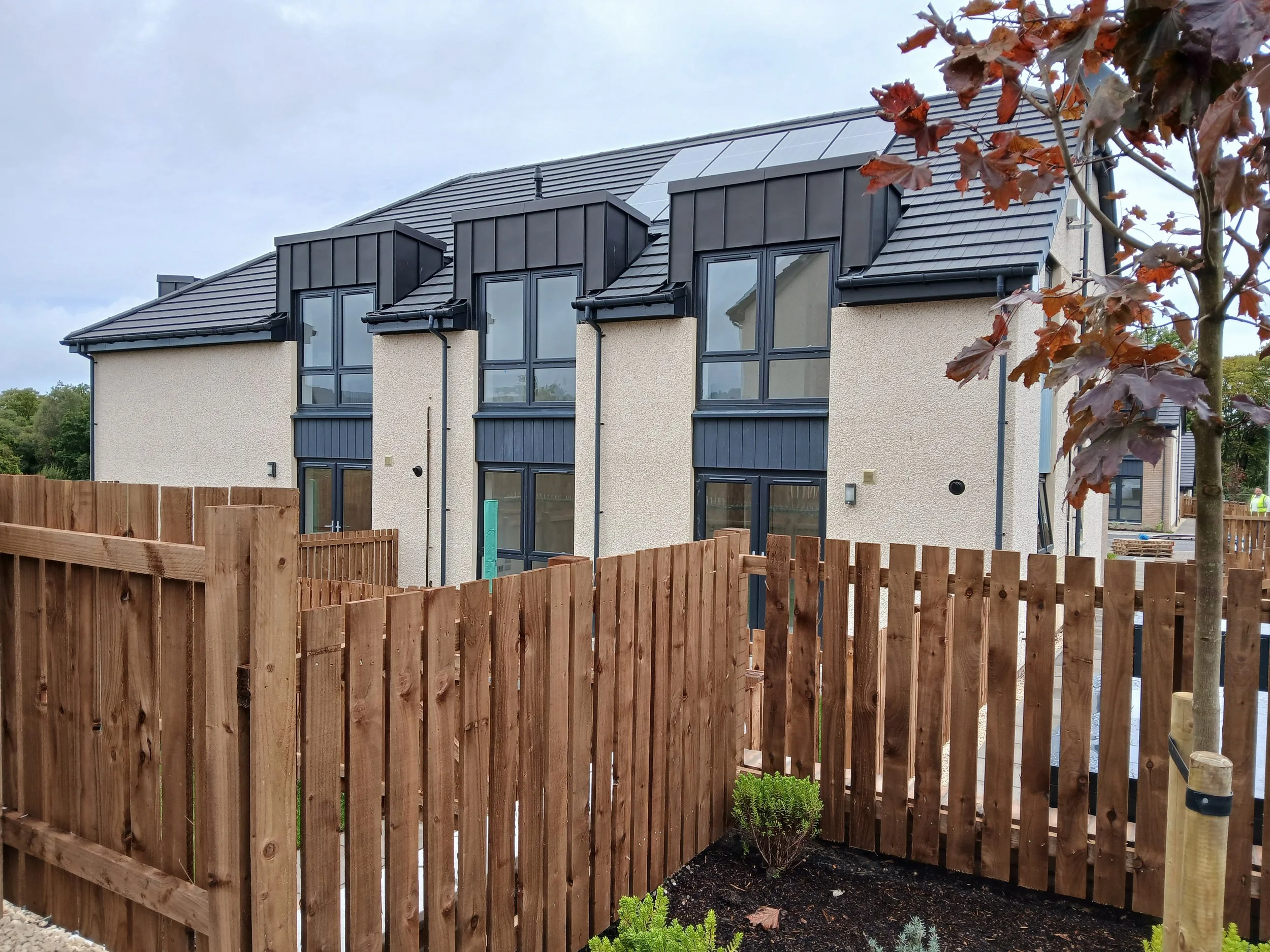
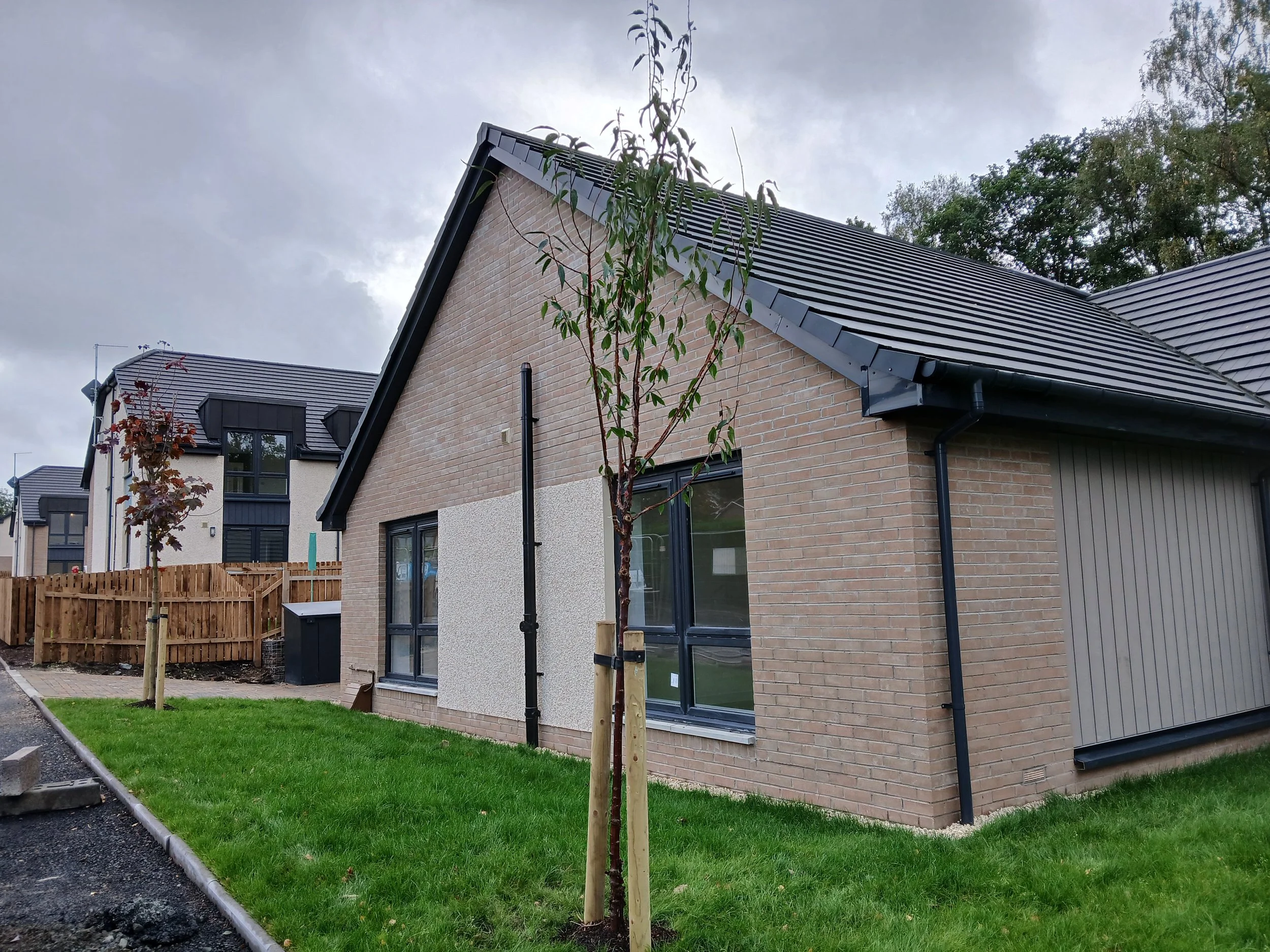
Of the eleven homes, the development features eight flats, half of which are one-beds and the other half two-beds. Additionally, the site has three larger properties, two three-bed houses and a large four-bed amenity bungalow. Every home is equipped with solar panels allowing for sustainable power that is energy efficient and have low running costs.
Client: |
 |
Architect: |
 |
Contractor: |
 |
Completion: |
2025 |
|---|
Design Approach
The design of the properties have been constructed with Killearn’s rural character in mind, great attention was put into creating a compact neighbourhood that respects the established architecture of the village. Given Killearns rural location, appropriate materials where choose that can withstand the climate conditions. The layout of the homes have been arranged to best utilise the given space and create a efficient layout that serves the occupants. The mix of flats and houses supports a diverse range of households, from single occupants to larger families. with this in mind, design choices were made to accommodate occupants of varying mobility to ensure every home is as accessible as possible, especially in regards to the inclusion of the amenity bungalow for residents with additional mobility needs.
Sustainability & Energy Performance
Local News coverage highlighted the development’s “impressive eco credentials”. Every home in the estate has been equipped with modern solar panels, offering residents a renewable and sustainable power source. In addition to the solar power that the properties benefit from, the buildings have a high thermal rating ensuring that heat will be maintained even in the colder months of the year. This high thermal rating allows for the use of low energy heating systems which combined with the solar energy will give residents a greatly reduced running cost.
these features where specifically included to best align with the RSHA’s long term commitment to developing sustainable rural housing.

Community Impact
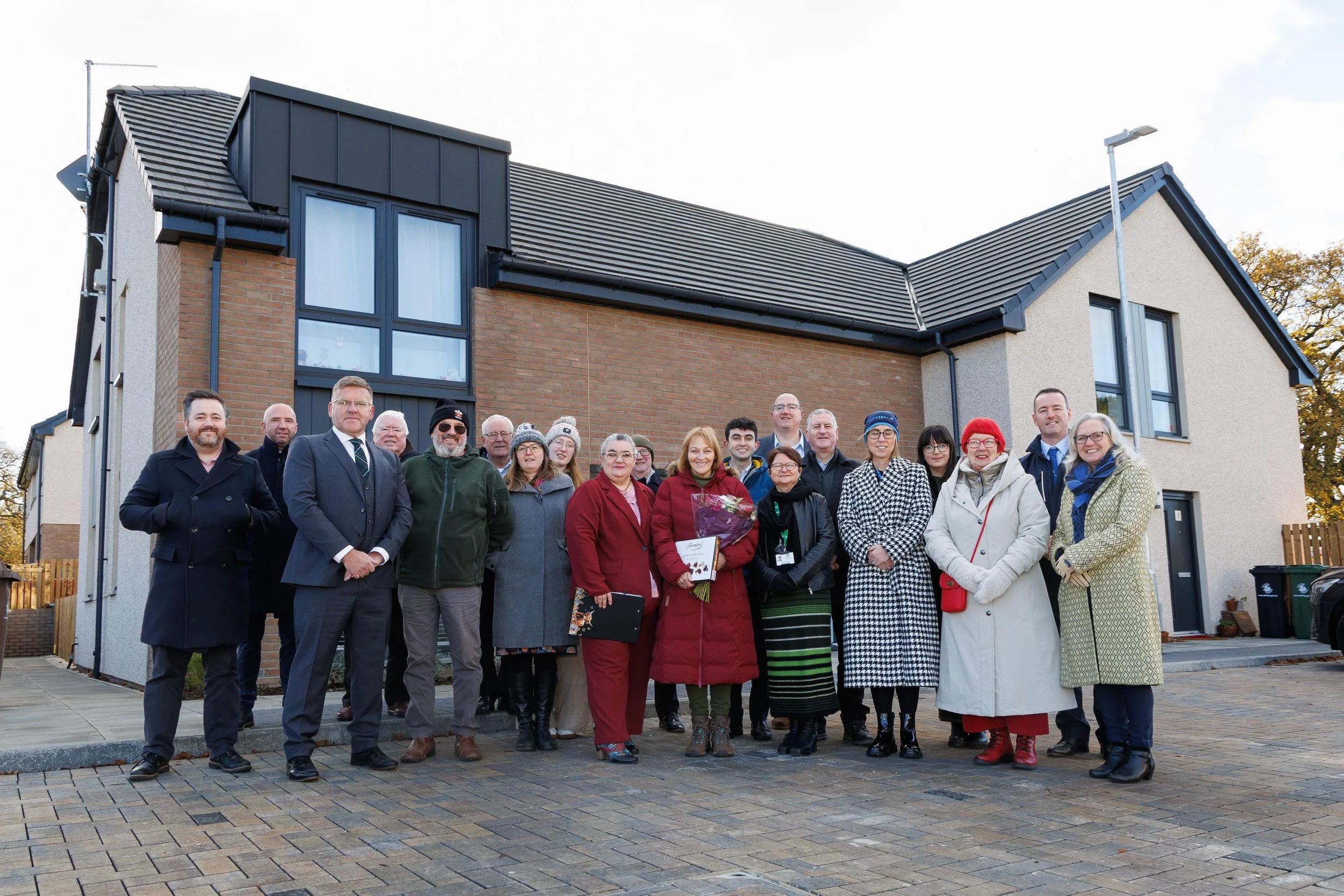
The project has been warmly received by the local community and Stirling Council, Councillor Willie Ferguson states that the homes were “much-needed” and emphasised the importance of collaboration in delivering affordable housing for local families looking for a new home in the rural area. The mixed-tenure fits well within the established village and feel right at home, the new development will promise to provide long-term community sustainability to its residents and local area. During the opening ceremony for the development, Jacqueline Buik was welcomed as the first new resident, this moment would be highlighted in the RSHA’s own news coverage of the event. (https://www.rsha.org.uk/news).
The project team
CMA Architects – Lead designer
McTaggart Construction – Main contractor
Macdonald & Cameron Ltd – Development agent
Martin Aitken Associates – Employer’s Agent
Clyde Design Partnership – Engineering
IMG Quality Control – Clerk of Works
The scheme was delivered on time and to a high standard, with strong collaboration noted across all partners.
Lampson Court has managed to deliver high-quality and affordable homes for those living in rural areas that are under significant housing pressure. The development succeeds in furthering RHSA’s mission to expand housing in rural areas and has strengthened the areas community.
The success of this project would not been possible without CMA’s expertise in developing affordable housing in rural areas that have a strong community focused design.